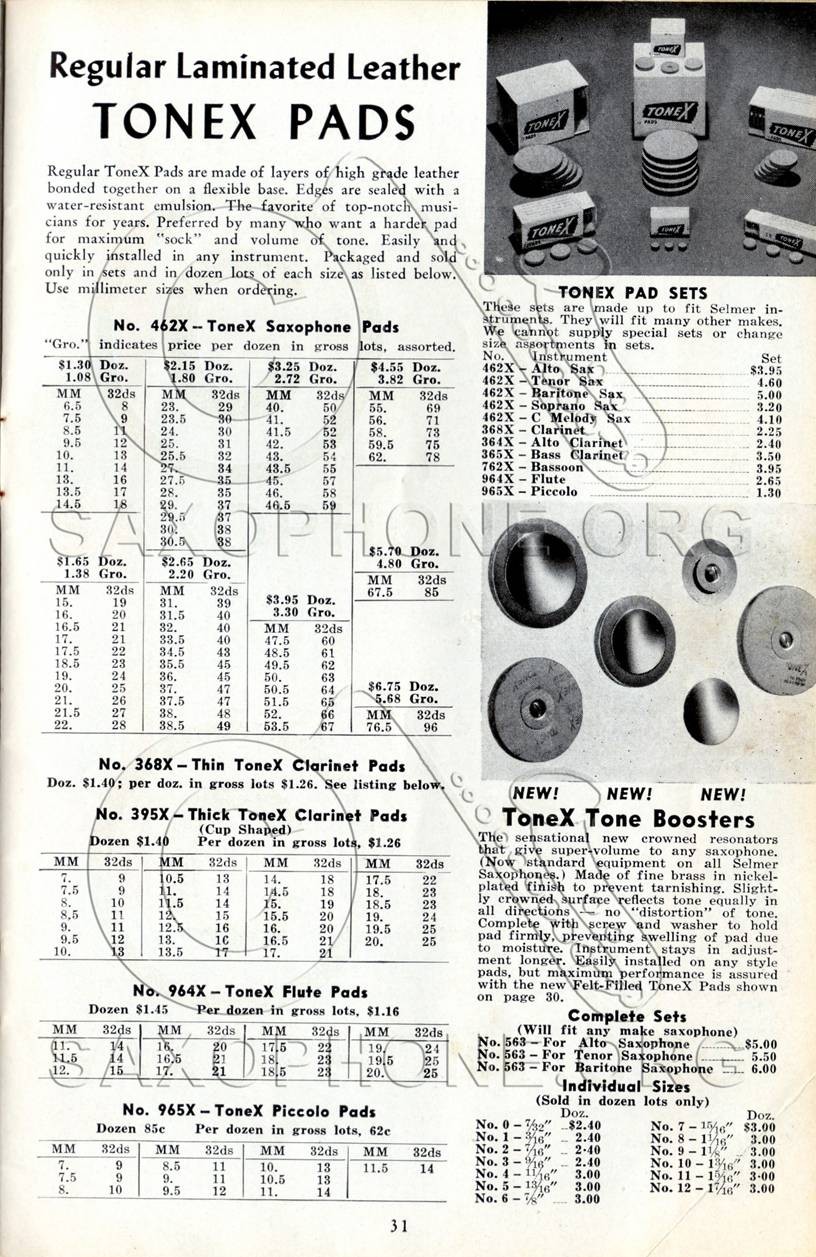
You know how when you write the same word over and over it can begin to look wrong? Researching this article felt like that, because there are very few primary sources calling these resonators “ToneX”. ToneX was a pad, ToneX was even a trumpet mouthpiece, but in their ad copy advertising Selmer saxophones, Selmer simply called them tone boosters. More on that below the measurements.
Anyhow, what we call ToneX resonators were the reusable resonators that came with Elkhart-assembled Selmer saxophones from the 1940s* to around 1959, at which point they became plastic (and still reusable for a while).
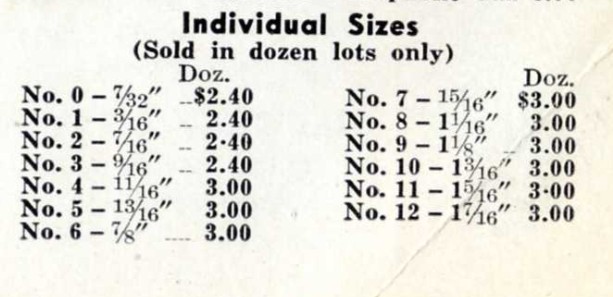
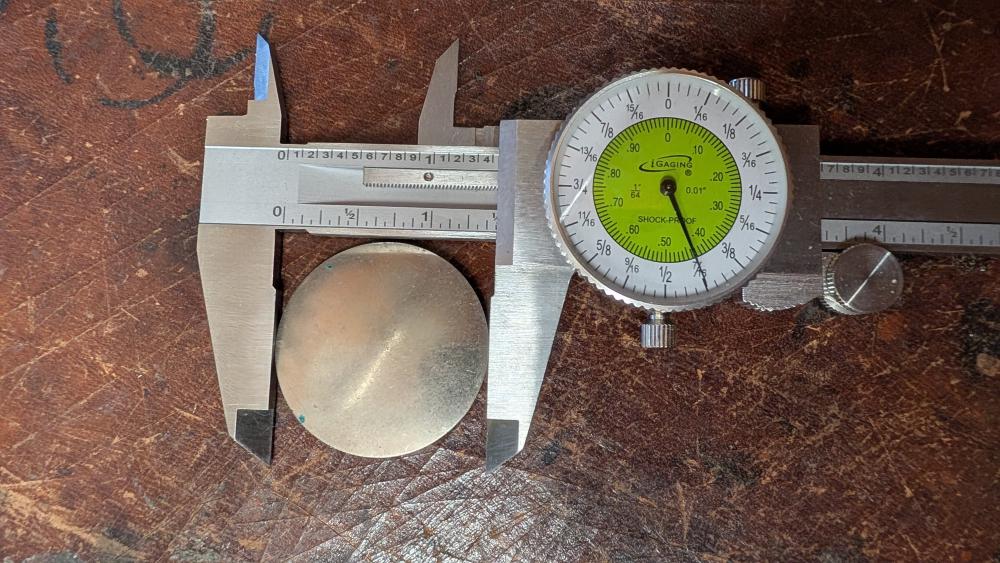
They are measured in 16ths of an inch, and originally came in 13 sizes that were reduced to 9 by the time they became plastic.
The Sizes#
Thirteen sizes, numbered 0 to 12. By the time Selmer went over to nylon boosters around Mark VI 80,000 they dropped four of them- 0, 6, 9 and 12- and kept the numbers where they were. That is why the nylon numbering has holes in it.
Sizes are written as sixteenths throughout- 14/16" rather than 7/8", 17/16" rather than 1-1/16"- so the ladder is easy to read. No. 0 is the odd one out at 7/32", which is three and a half sixteenths.
| Size | Metal # | Plastic # |
|---|---|---|
| 7/32" | 0 | does not exist |
| 5/16" | 1 | 1 |
| 7/16" | 2 | 2 |
| 9/16" | 3 | 3 |
| 11/16" | 4 | 4 |
| 13/16" | 5 | 5 |
| 14/16" | 6 | does not exist |
| 15/16" | 7 | 7 |
| 17/16" | 8 | 8 |
| 18/16" | 9 | does not exist |
| 19/16" | 10 | 10 |
| 21/16" | 11 | 11 |
| 23/16" | 12 | does not exist |
Metal resos that are undamaged should measure really close. Plastics were injection molded and the thin edges are a tiny bit variable, but not by a huge amount.
Metal ToneX Sets#
Measured off of original sets. As tonehole sizing changed over the available models (Balanced Action, Super Action, Mark VI) and also the resonators themselves were reduced in available sizes, this is to be treated as suggestive rather than gospel. Your horn may differ.
Numbers and quantities only- these say what is in the set, not which key takes what.
| # | Size | Alto | Tenor | Bari |
|---|---|---|---|---|
| 1 | 5/16" | 5 | ||
| 2 | 7/16" | 1 | 6 | |
| 3 | 9/16" | 3 | ||
| 4 | 11/16" | 4 | ||
| 5 | 13/16" | 2 | 1 | |
| 6 | 14/16" | |||
| 7 | 15/16" | 4 | 3 | |
| 8 | 17/16" | 1 | 2 | |
| 9 | 18/16" | 1 | 3 | |
| 10 | 19/16" | 1 | 1 | |
| 11 | 21/16" | 3 | ||
| 12 | 23/16" | 2 |
This is a work in progress. Alto is blank for now. Will be updated soon. If you have original, unmolested sets and you can measure them for me, please contact me.
Also note that a horn with a high F# takes another of the palm key size, and a low A horn will use another of the low Bb size.
Plastic ToneX Sets#
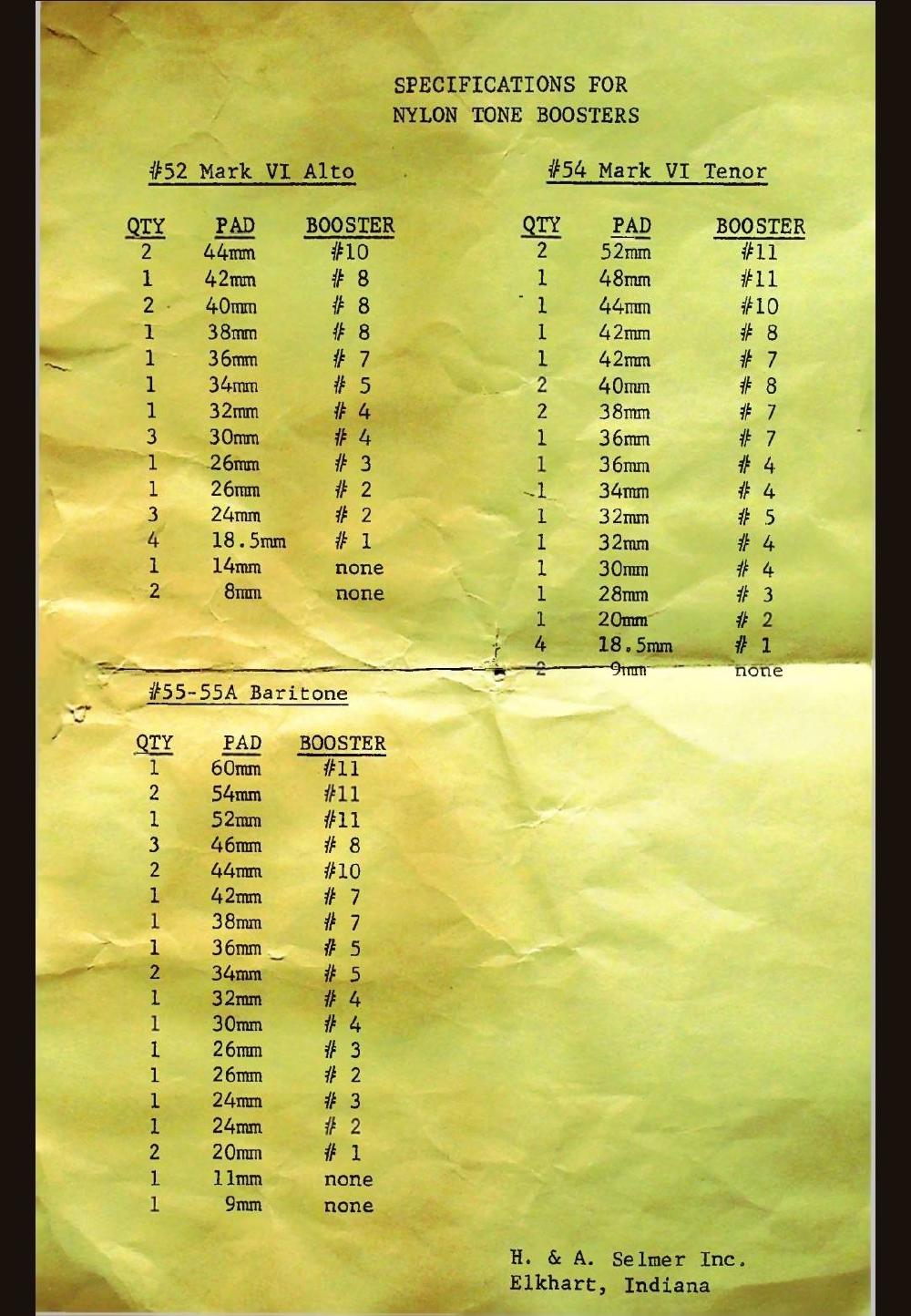
For these, we have a fantastic primary source document. Here are the sizes and sets for the nylon boosters, taken off the Selmer factory sheet in the gallery below- #52 alto, #54 tenor, #55-55A baritone.
| # | Size | Alto | Tenor | Bari |
|---|---|---|---|---|
| 1 | 5/16" | 4 | 4 | 2 |
| 2 | 7/16" | 4 | 1 | 2 |
| 3 | 9/16" | 1 | 1 | 2 |
| 4 | 11/16" | 4 | 4 | 2 |
| 5 | 13/16" | 1 | 1 | 3 |
| 6 | 14/16" | |||
| 7 | 15/16" | 1 | 4 | 2 |
| 8 | 17/16" | 4 | 3 | 3 |
| 9 | 18/16" | |||
| 10 | 19/16" | 2 | 1 | 2 |
| 11 | 21/16" | 3 | 4 | |
| 12 | 23/16" | |||
| Total | 21 | 22 | 22 |
Naming#
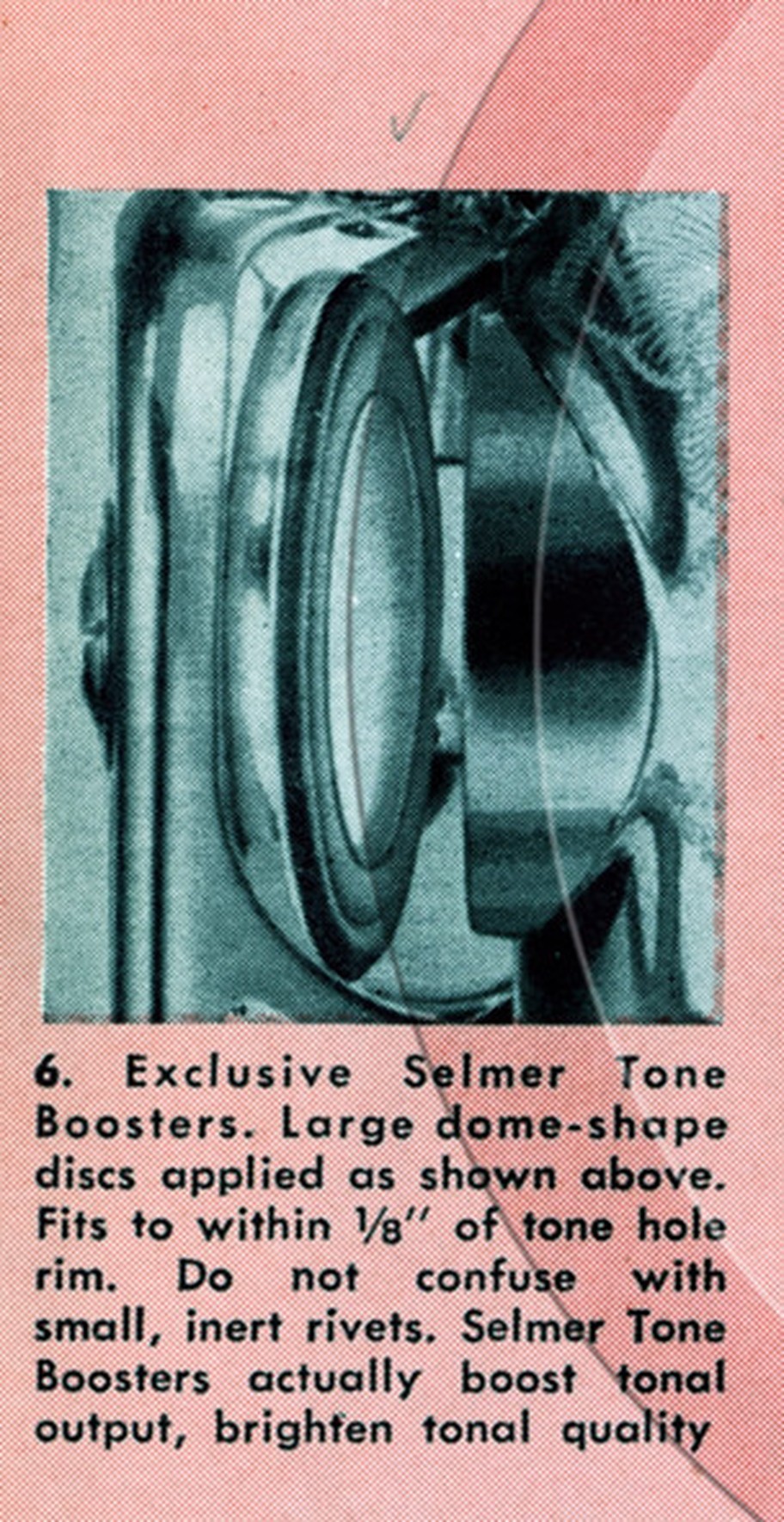
Interestingly, in ads for saxophones, Selmer never called them ToneX and instead called them Tone Boosters. In Selmer’s 1952 catalog they said:
“Exclusive Selmer Tone Boosters. Large dome-shape discs applied as shown above. Fit to within 1/8” of tone hole rim. Do not confuse with small, inert rivets. Selmer Tone Boosters actually boost tonal output, brighten tonal quality."
Note that “Tone Booster” is the same name Selmer used internally for the plastic ones a decade later. Also note that 1/8" claim, which is a useful metric for resonator maximalists and also notable that they necessarily backed away from it later when they reduced the total number of sizes available.
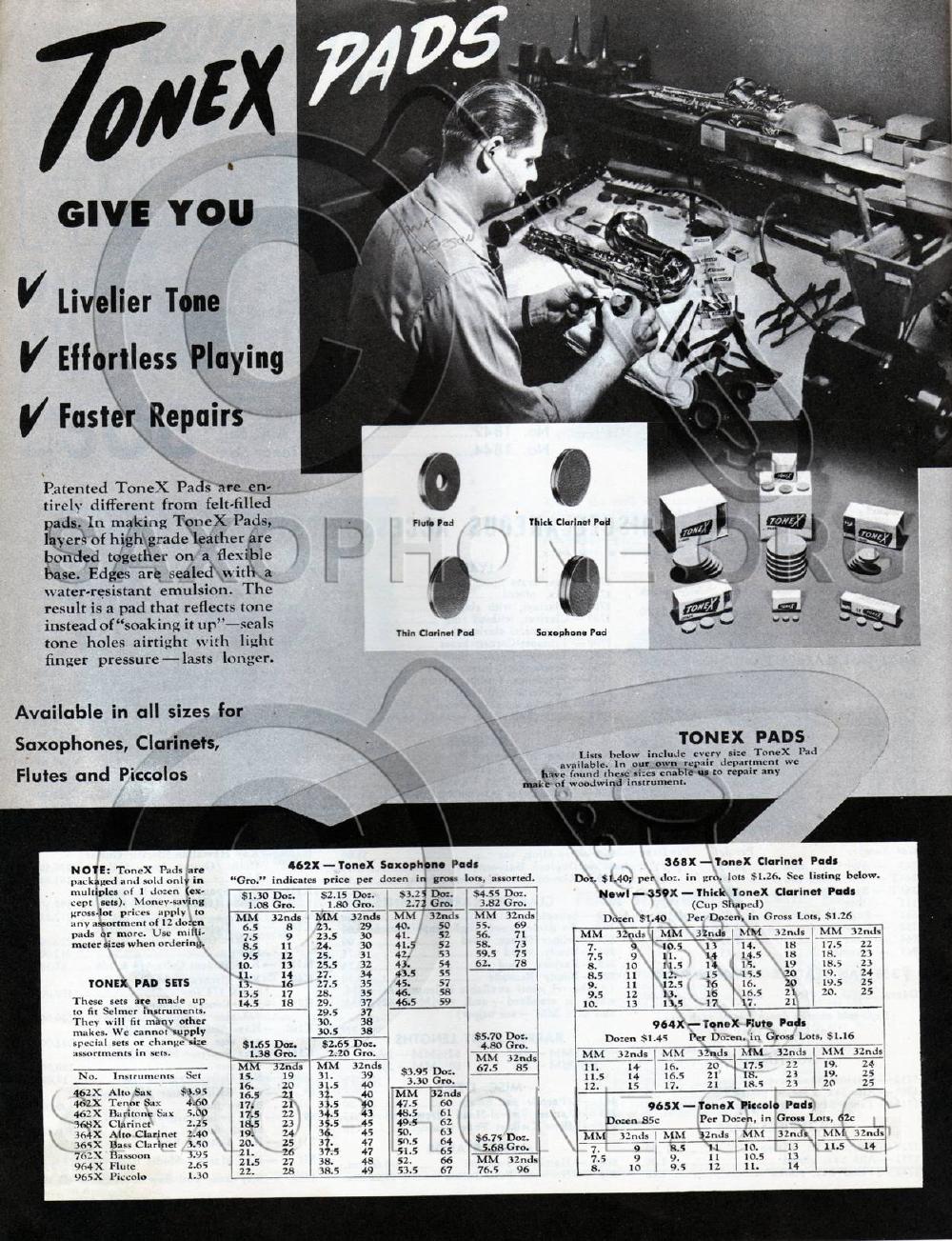
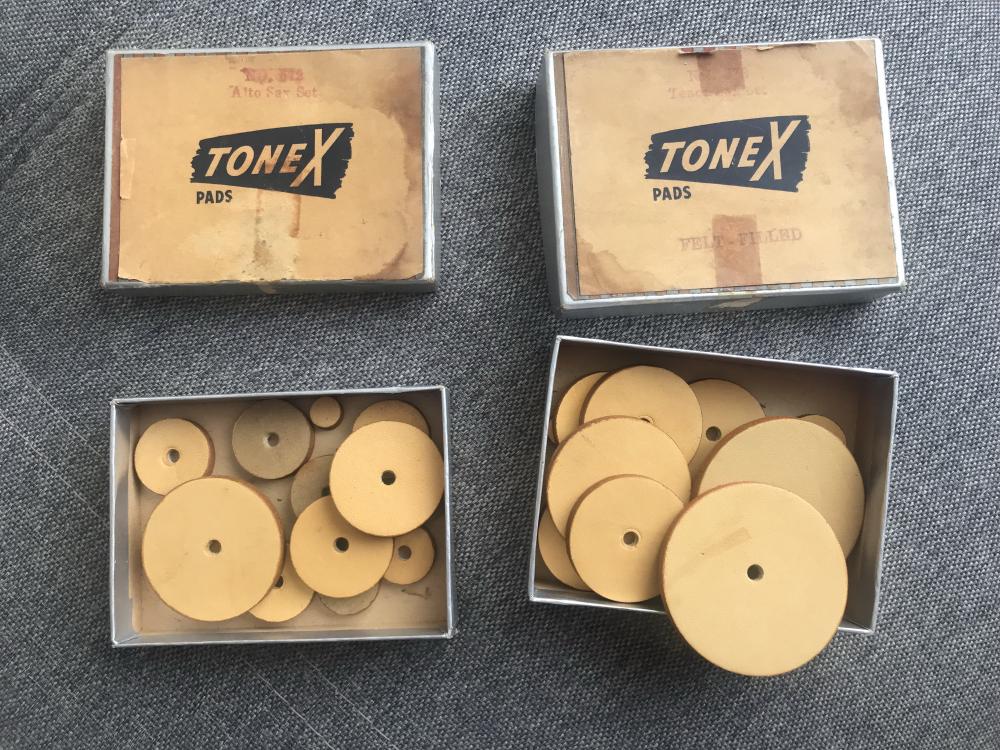
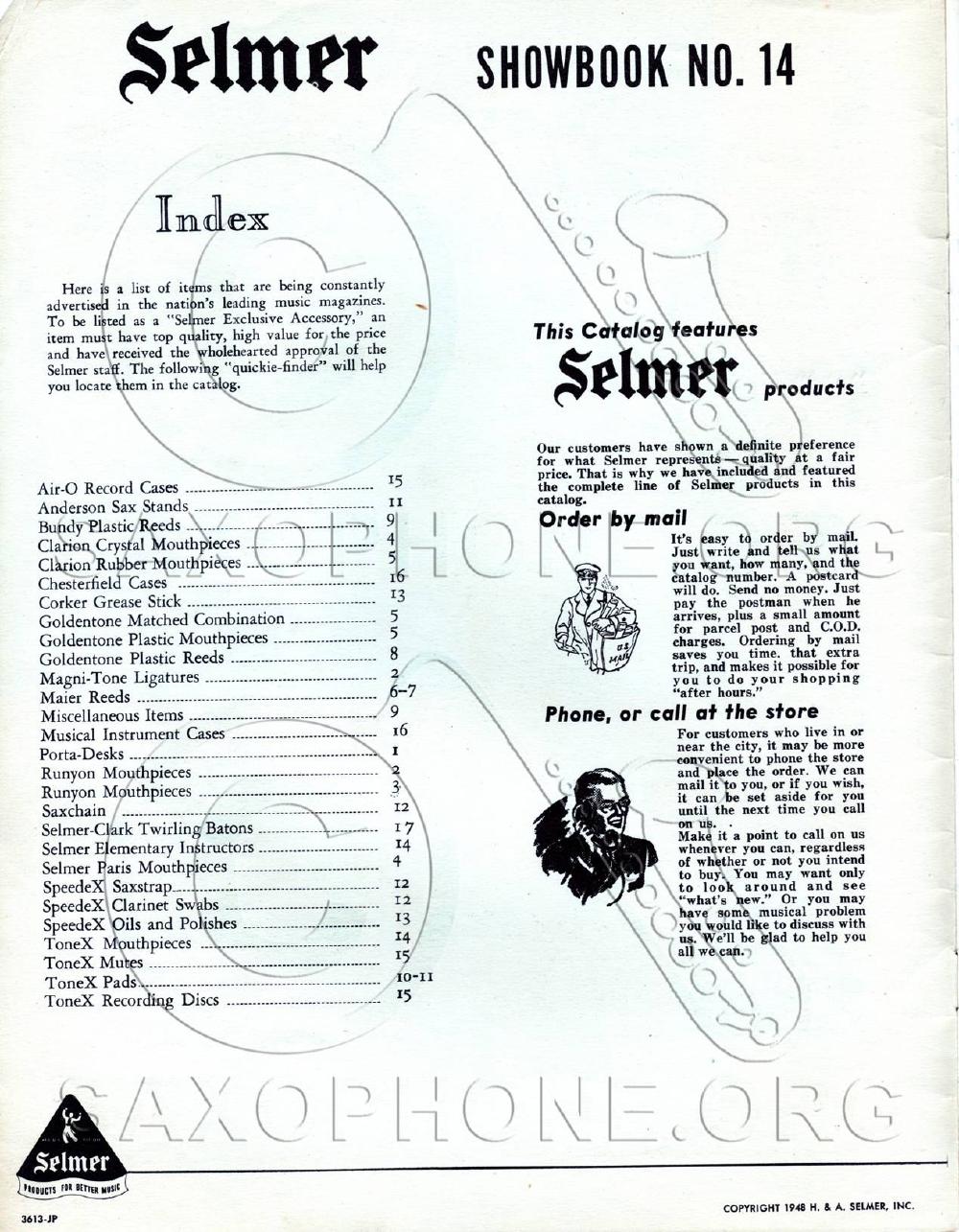
However, beginning in the late 1940s in ads for accessories and catalogs, they started to call them ToneX tone boosters and advertised them alongside their ToneX pads (which originally came without tone boosters/resonators as kind of the whole point, amusingly. See the patent here) and shared the branding. But again, never in ads for saxophones: in the accessory ads calling them ToneX they would even say “now standard on Selmer saxes” or something like that, but they would only say “tone boosters” when talking about them in saxophone ads. One has to wonder if Selmer (Paris) did not want Selmer (Elkhart) piggybacking an advertisement for a second Elkhart-made product in ads for Paris-made saxes.
Other Info#
Originally 13 sizes were available, but there were only 9 when the resonators became plastic, and even while still all metal a few sizes disappeared throughout the run. The first casualties were the smallest sizes, starting with size 0 which is so rare I think I have only seen it once or twice. That became either no resonator or a plain rivet. Next to go was size 1 (although it would return as a plastic resonator, unlike size 0), used in palm keys. Pads that used to get a size 1 were instead shipped with a large and somewhat unique flat rivet that I think is a modified brake pad rivet (which was also a slight bit larger than the ToneX reso it replaced). Photo of that in the gallery. The disappearance of the rest of the sizes that are not accounted for in the plastic versions may have happened earlier than the switchover (around 80k, 1959), but I am not certain. If anyone knows, contact me.
Sometimes, factory relacquers done in the 40s and 50s would be done with ToneX resonators.
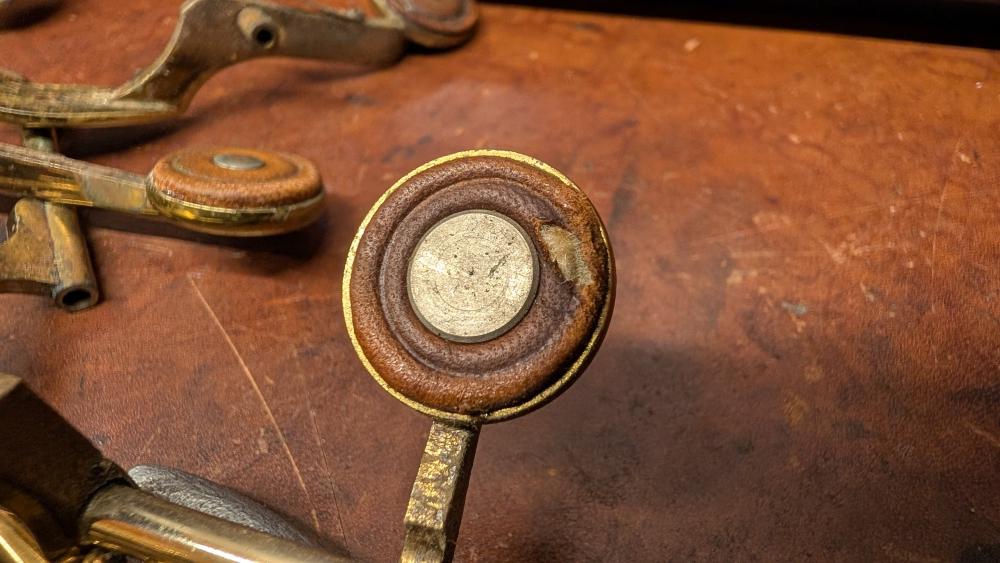
The metal version was nickel-plated brass with a slight dome. They had a very nice countersunk backing washer and screw which were also nickel plated, and they hold the resonator tight against the pad without deforming it and keep the pad nice and flat. The plastic version dropped the washer and replaced it with a brass screw with a large flat head that did not do so nicely with the flatness etc. Modern Pisoni domed seamless riveted resonators, by the way, do a pretty fair job of looking a lot like the original Selmer metal reusables.
*I am uncertain on the start of when ToneX resonators (not called that yet!) would have been first installed on Selmer saxophones. I feel like I have seen them on some later Balanced Actions, but I could easily be wrong. Certainly they were there on Super (Balanced) Action, but I think they appeared on saxes before they appeared in ads. If anyone knows for sure, please contact me.
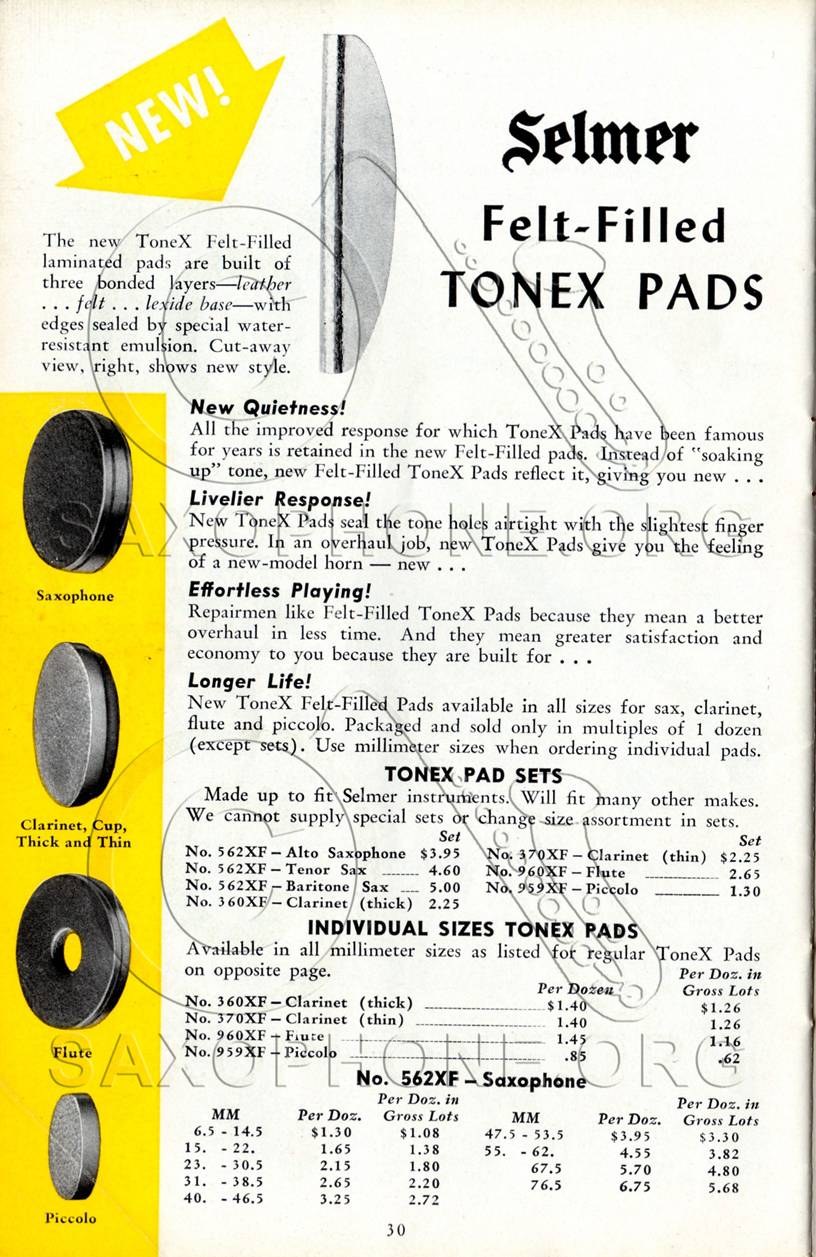
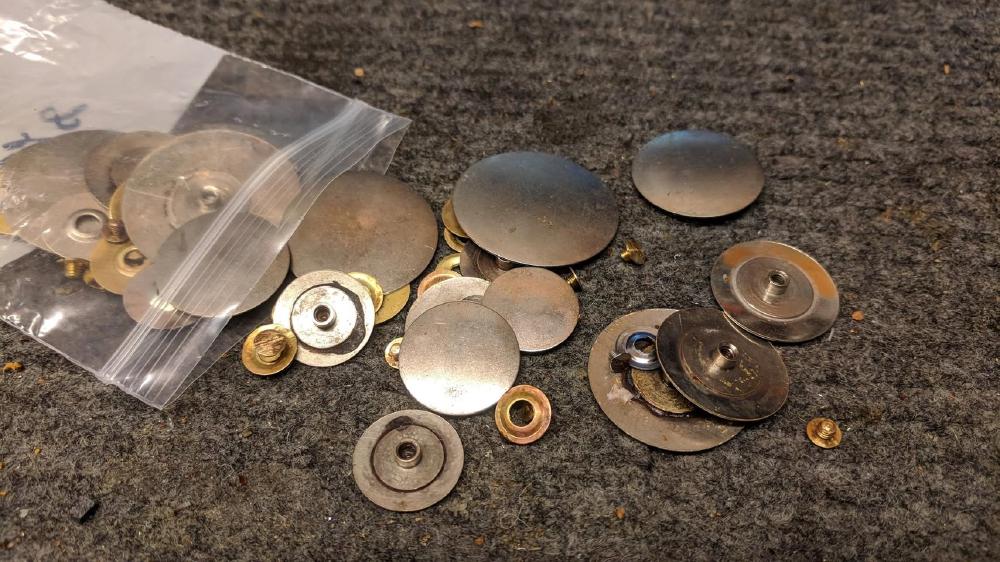
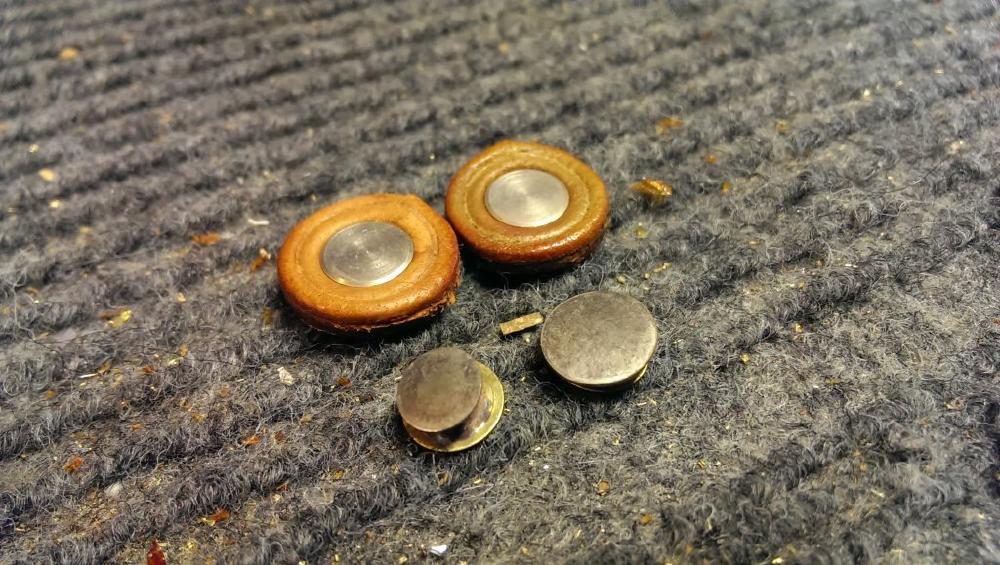
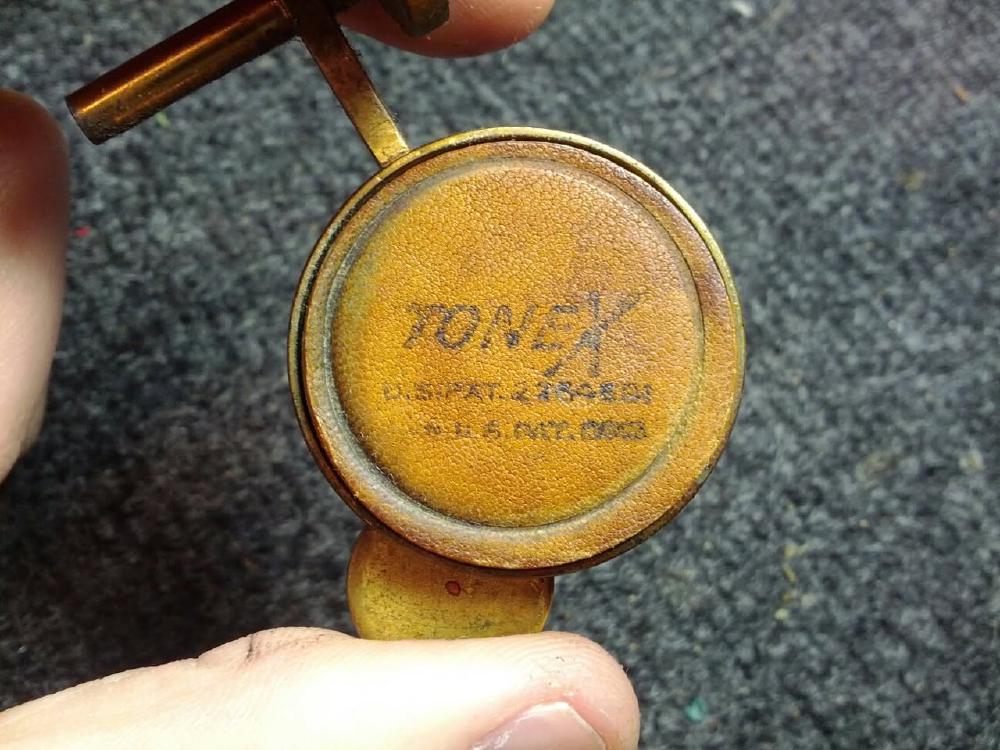
More on what original Selmer resonators look like in my video Repairman’s Overview: Original Selmer Saxophone Resonators.
Thank You#
Huge shout-out to Josh Creekmore at Saxquest for TONS of primary source info! Also thanks to Terry Staten (tswoodwind.com), Scott Granlund (granlundwoodwind.com), Randy Emerick (SaxTek), and Brian at GetASax (getasax.com) for measurements and data.